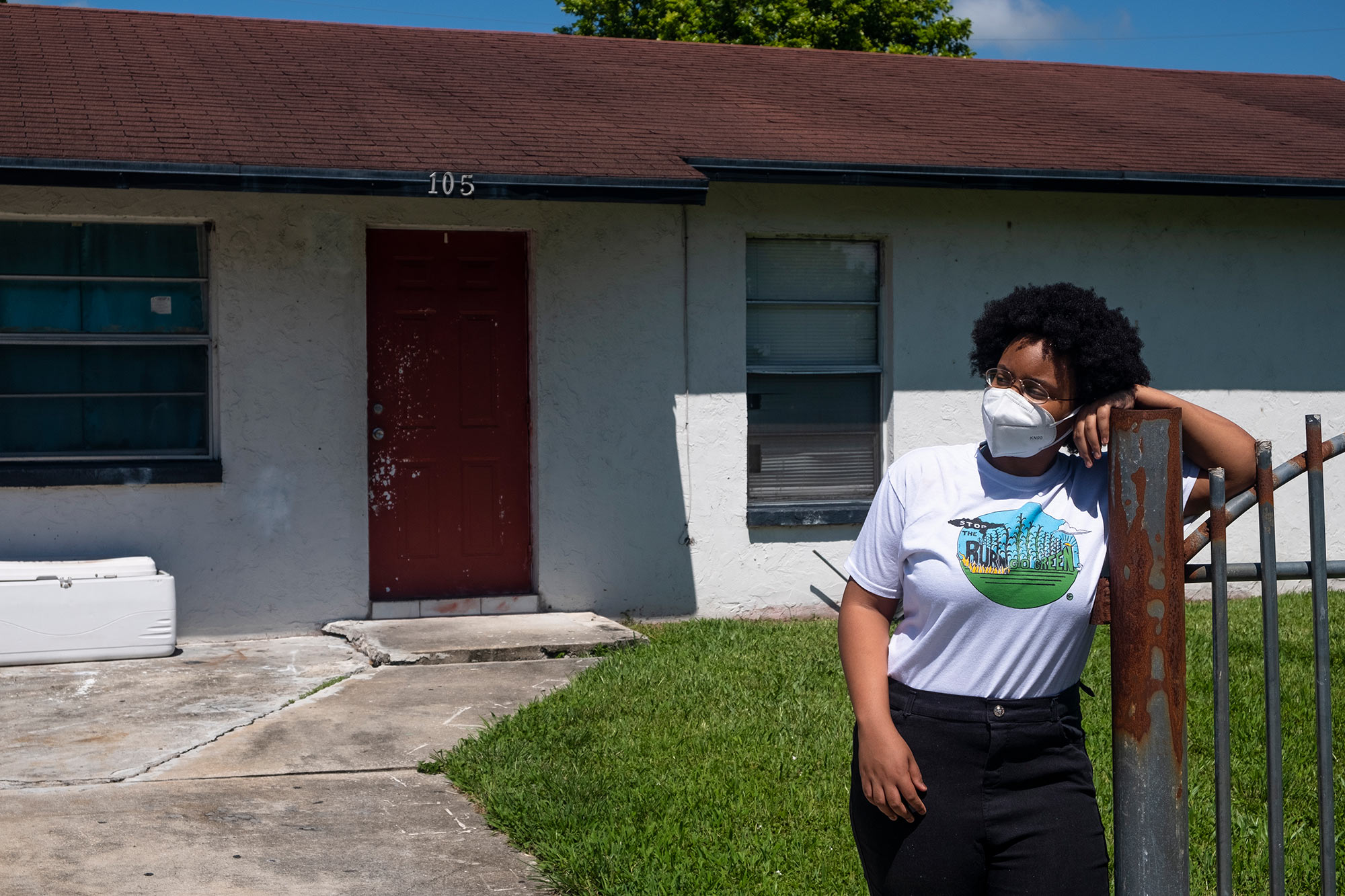
They’re killing people by doing this
Why students at a school 40 miles from Mar-a-Lago can’t go outside.
The simple act of breathing has been a challenge for residents of the Glades, a small rural community in Palm Beach County, Florida, for as long as 13-year-old Kil’mari Phillips can remember.
In third grade, Phillips’ teacher always kept the classroom’s blinds closed so her students wouldn’t see the fire. One day, she forgot.
“Do you see this?” a classmate, seated by the window, asked Phillips. “Am I crazy?”
Even from the far side of the classroom, Phillips could see giant flames engulfing acres of sugarcane fields outside.

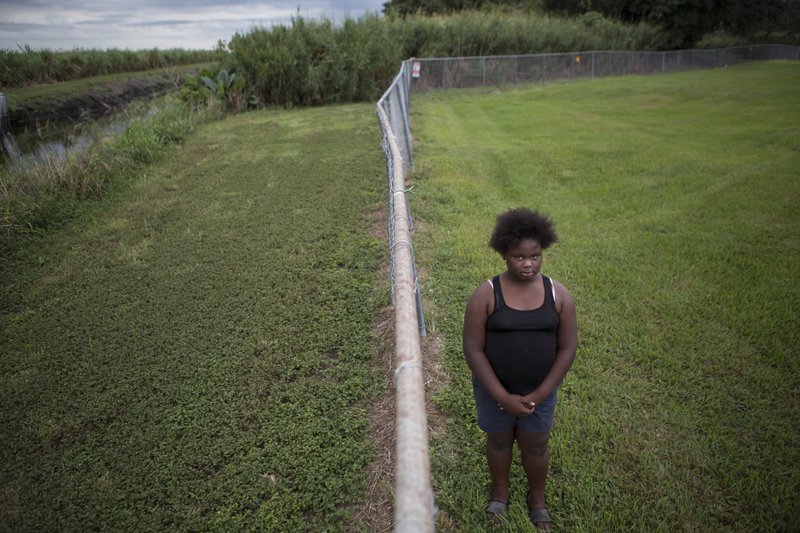
Sugar field burning plagues poor Florida towns
For residents of the Glades, a string of poor, predominantly African American rural towns dotting the southern shore of Florida’s Lake Okeechobee, the beginning of the annual sugar cane harvest in October means the arrival of “black snow.”
“You’d hate to come down here when it’s snowing,” said Kaniyah Patterson, an asthmatic 12-year-old who lives with her mother and grandmother in a housing project surrounded by several large sugar cane fields in the Palm Beach County community of Pahokee.
“That black stuff irritates me,” Kaniyah said, sighing. “Sometimes I can’t breathe.”
Our Solidarity with Black Lives Matter
We, the Stop The Burn Campaign leadership and Sierra Club, believe systemic racism is a cancerous tumor that if not treated will ultimately prove fatal to our society. We believe injustice perpetrated on one is an injustice perpetrated on all. Injustice to one community is an injustice to all communities. Disproportionate police brutality on communities of color, mass incarceration, discriminatory lending practices, lack of access to health care, disproportionate exposure to pollution, and many other forms of racial discrimination imposed on black and brown people reflect a system that does not value all lives equally. Our society and collective humanity will continue to decay until our laws, principals and culture place a value on all human life equally, regardless of race or income. This is why both the Stop The Burn Campaign and the Sierra Club firmly stand in solidarity with protests and movements across the nation demanding an end to systemic racism in its many forms.
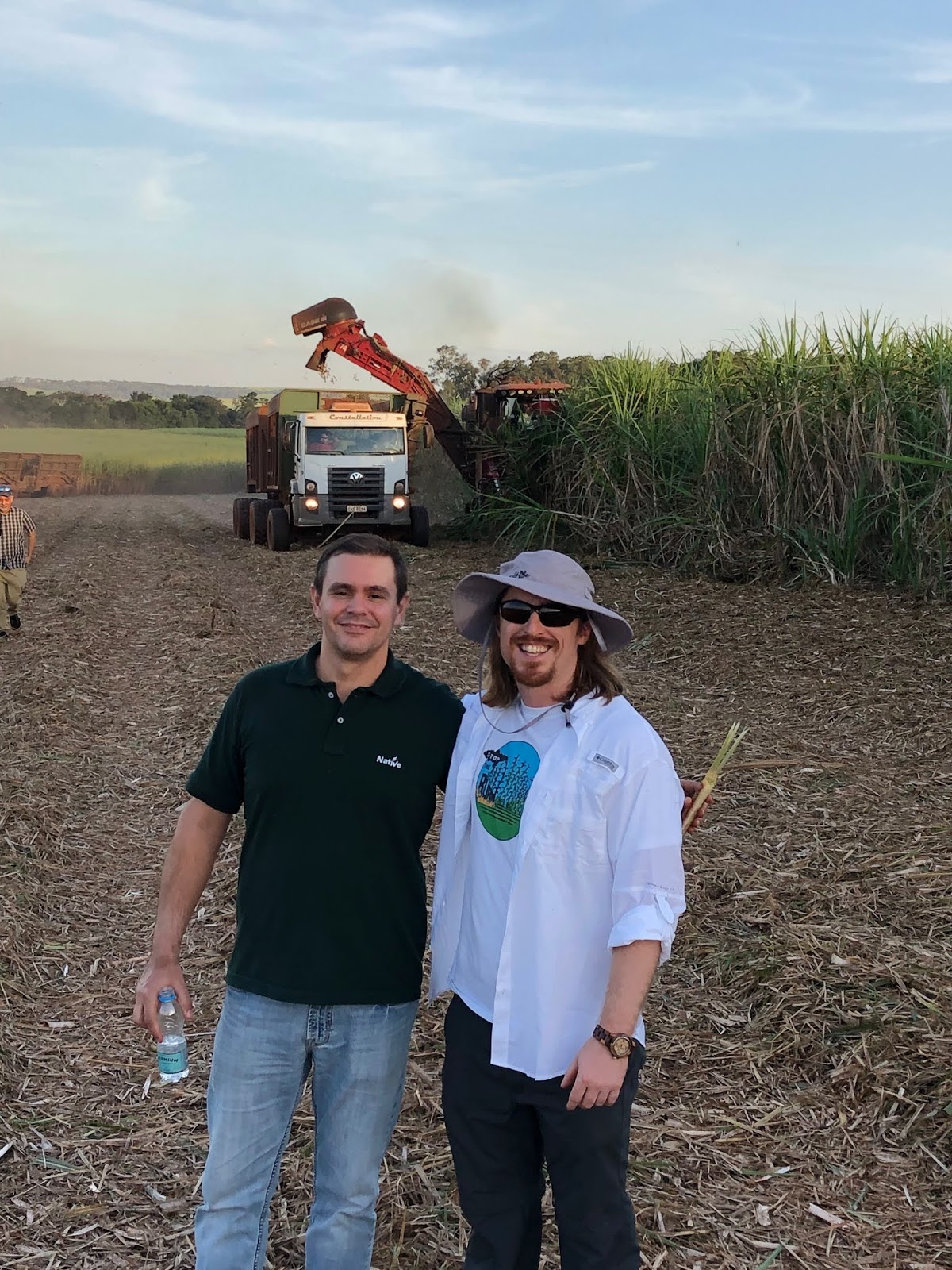
“Stop the Burn” Campaign Goes to Brazil
Billowing smoke, falling ash, heavy chemical fertilizer, and pesticide applications -- these are some of the realities of large scale sugarcane production here in Florida. But it doesn’t have to be that way. I had the opportunity to visit Brazil in June to tour the Native Green Cane Project, where pre-harvest sugar field burning and chemical fertilizer and pesticide applications were abandoned years ago and replaced with sustainable, organic production methods. I witnessed a completely different paradigm of sugarcane agriculture in action, one that works with nature rather than against it. I came back with a lot to share about how sugarcane should and can be grown in Florida.
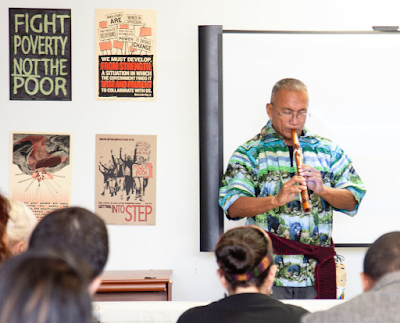
Poor People’s Campaign in the Glades
On Thursday, April 18, the Florida Poor People's Campaign held a field hearing in Belle Glade at the Sierra Club office as part of the National Emergency Truth and Poverty Tour organized by the Poor People’s Campaign: A National Call for Moral Revival. The Poor People’s Campaign (PPC), originally led by Dr. Martin Luther King, Jr. has been revived under the leadership of Rev. Dr. William J. Barber, II and Rev. Dr. Liz Theoharis. PPC’s Moral Agenda addresses the following issues afflicting the poor: systemic racism, poverty and inequality, war economy and militarism, ecological devastation, and “our nation's distorted morality.” The Belle Glade field hearing was the final stop of a week-long tour across Florida and was organized to allow local and regional elected decision makers to hear directly from their constituents. While no local electeds were present, attendees were pleased that U.S. Congressman Alcee Hastings sent an aide to listen and report back.
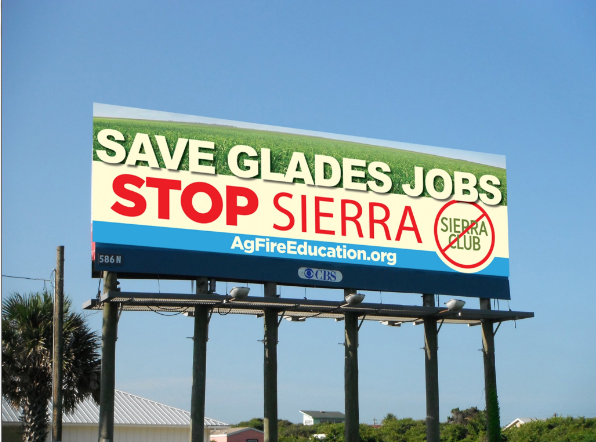
Fake Billboard for a Fake Claim
“SAFE Communities” is at it again, making false claims that insult the intelligence. This time it is with a photo-shopped picture of a fake anti-Sierra Club billboard. “SAFE” is using social media to distribute the clearly photo-shopped graphic superimposed on a billboard. Not only does the billboard not exist, but the billboard used for this trick actually is found far away from the Glades, near St. Augustine, Florida.
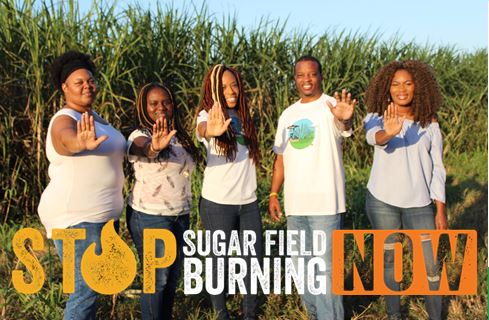
Counterattack on STOP THE BURN: Big Sugar loses its cool
In February, Sierra Club partnered with local Stop the Burn activists to send a mailer out to residents in Belle Glade, Pahokee, and South Bay.
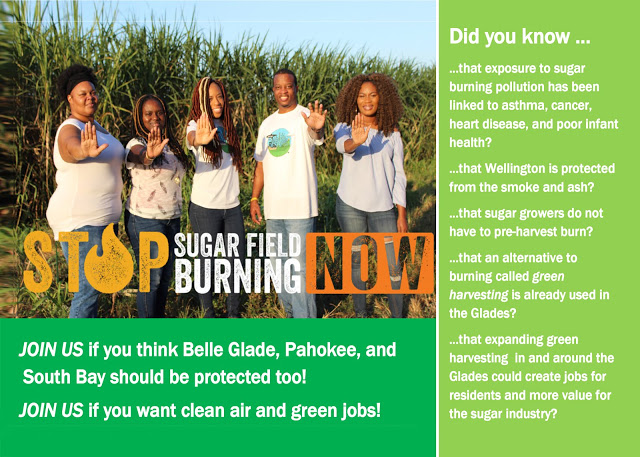
Join Our Stop The Burn Campaign
This campaign is about asking the sugar growers to be BETTER NEIGHBORS.
It is time to stop the “black snow.”
ALL our children deserve a healthy environment.
Have ideas you want to share? We want to hear from you.
Good jobs and green harvesting: A match made in heaven
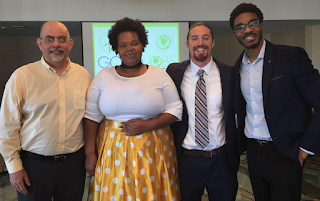
Where are all of these jobs the sugar industry claims are the reason for maintaining the status quo in the Everglades Agricultural Area? The truth is that they are so few and far between that there is plenty of room for green jobs, the kind of jobs that can sustain families, the local economy, and the environment. The end of pre-harvest sugar field burning and true Everglades restoration, along with a movement to bring justice and equity to the residents of the Glades, can combine to bring new economic opportunities to the communities that ring Lake Okeechobee. So how do we get from here to there? At the 2019 Everglades Coalition Conference, a panel explored how the fight for social, economic, and environmental justice go hand in hand and how green jobs should and can be a part of the near future of the Everglades Agricultural Area.
Gillum/King = bold leadership on “black snow”
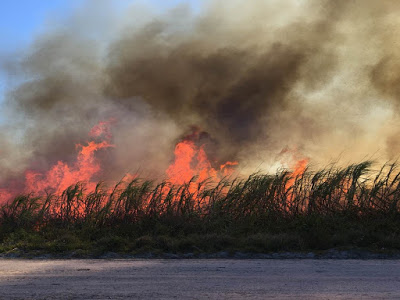
Residents living within and around the Everglades Agricultural Area have their health, property, and quality of life threatened by the toxic smoke and ash fall, or “black snow,” produced by the yearly, 6-8 month long, pre-harvest sugarcane field burning season.