Big Sugar’s new federal safety net should benefit all in the Glades
Our Stop the Burn - Go Green Campaign in the Glades is seeing results. The 2024-25 season recorded the lowest burn permits and acreage in a decade — 6,014 permits covering 309,757 acres, down from 13,264 permits covering 475,495 acres when our campaign began in 2015.

In Florida, State Rules Concentrate Toxic Smoke in Underserved Communities
Growing research suggests that “black snow,” a byproduct of the sugarcane harvest, is harming residents’ health. The politically powerful sugar growers say the air quality meets standards.
In the Glades, where there’s fire, there’s a smoke screen
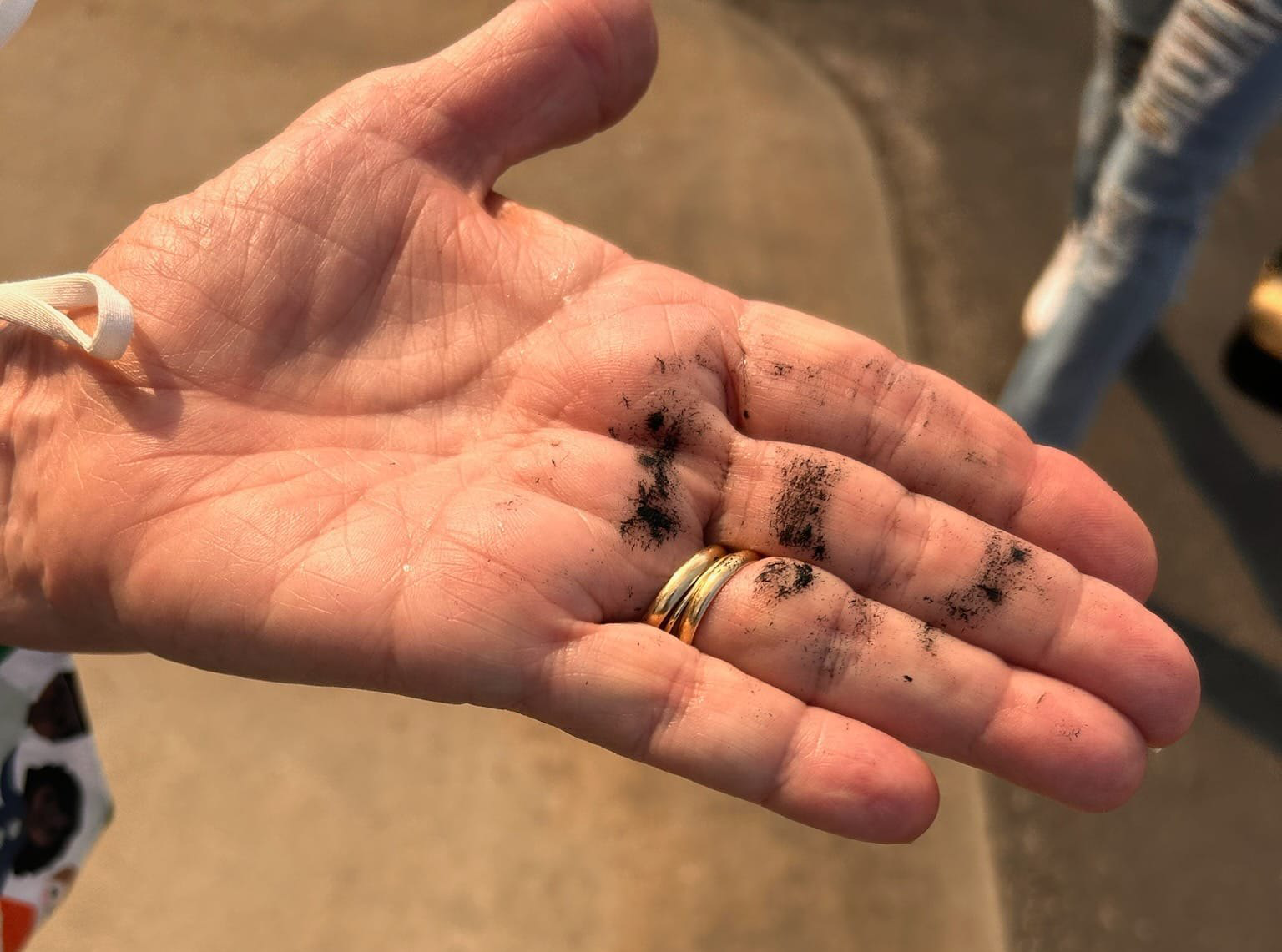
Belle Glade, South Bay and Pahokee are tight-knit, predominantly Black and brown communities that endure a grim ritual every sugarcane harvest season — the thick smoke from pre-harvest cane fires drifting across town, stinging eyes, inflaming asthma and coating cars in “black snow.” The negative impacts to our health, quality of life and businesses, and the expense of cleaning up the black snow, are the costs of the sugar industry’s outdated and unnecessary practice of pre-harvest sugar field burning.
Big Sugar Podcast Bonus Episode 2: Who Bears the Cost?
Meet Kina Phillips, part of the grass roots effort in Florida to fight cane burning and encourage the sugar companies to embrace green-harvesting methods. Then, Celeste digs deeper into how the pending Farm Bill affects the cost of sugar.
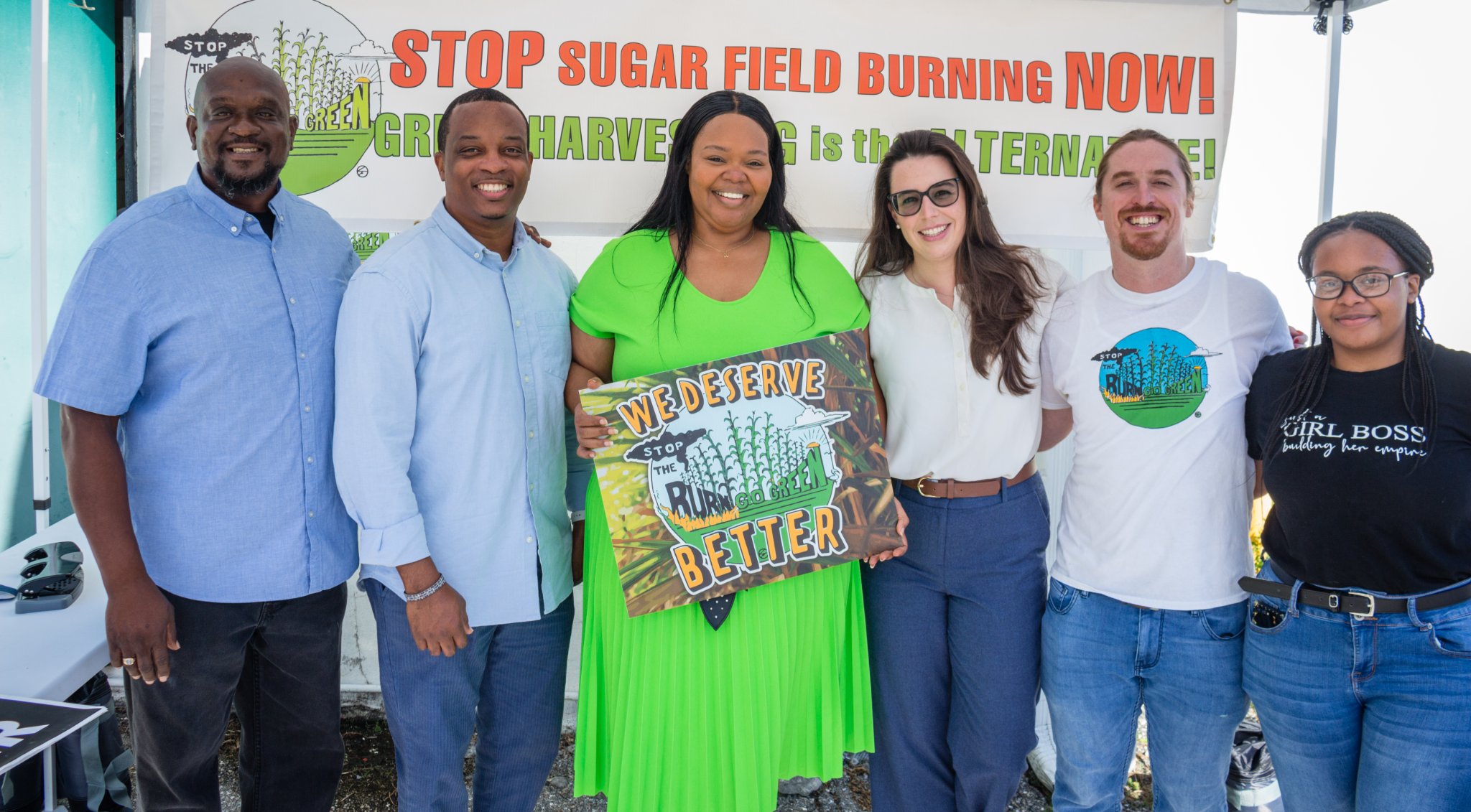
As Sugar Cane Fields Catch Fire, Business as Usual Must Go Up in Smoke
The Stop the Burn-Go Green Campaign leadership released the following statement on the first day of the pre-harvest sugar cane field burning season:
“As the sun rises today, October 1, 2023, another pre-harvest sugar cane field burning season dawns on the people in and around the Everglades Agricultural Area. Our call today is to the Palm Beach County Department of Health, which is one of the many accomplices of the sugar industry in its oppression of our communities and its concomitant attack on our public health.
Recent data reveals the burning truth: Sugarcane burning pollution contributes to an estimated 1 to 6 deaths annually in our communities. Those residing near these fields face a staggering 10-fold increase in mortality risk compared to those further away.
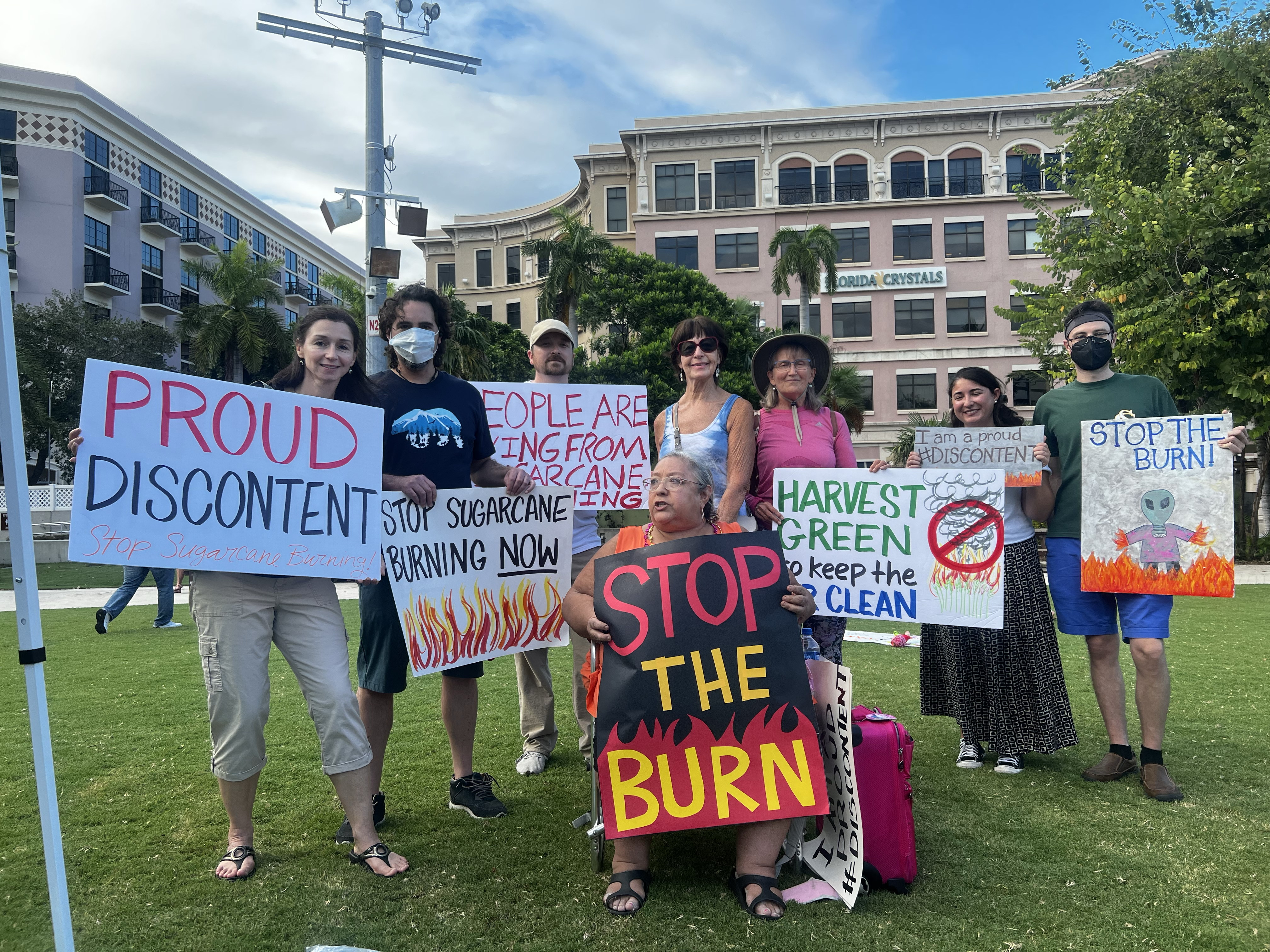
Voices Behind the Smoke: Sugarcane Burning and the Impacts
Patrick Ferguson, Senior Organizing Representative for Sierra Club’s Stop Sugar Field Burning Campaign, joins us to discuss the environmental impact of pre-harvest sugar burning.
Beginning in 2015, the Stop the Burn campaign focuses on the environmental and public health consequences of pre-harvest sugar field burning. We will explore the success of green harvesting alternatives, highlighting countries that have embraced this approach. We will also examine the advocacy initiatives undertaken by local leaders, farmers, consumers, and sustainable food advocates.
FAU researchers secure $4.2 million for study on smoke exposure from agricultural fires & Alzheimer’s risk
Researchers at Florida Atlantic University plan to study the effects of smoke exposure from agricultural fires on the risk of Alzheimer’s disease and related dementias in rural Palm Beach County.
The university and collaborators land a $4.2 million federal grant to focus on those living in rural areas along Lake Okeechobee, near the fields where pre-harvesting burning occurs.“
Small particles, what they call P.M., Particular Matter 2.5, is suspended in the air and when people breathe it in. It goes deep into the lungs, and it can to the brain and cause inflammation, which is a risk factor for Alzheimer’s disease,” FAU’s professor emeritus Christine Williams, Ph.D.
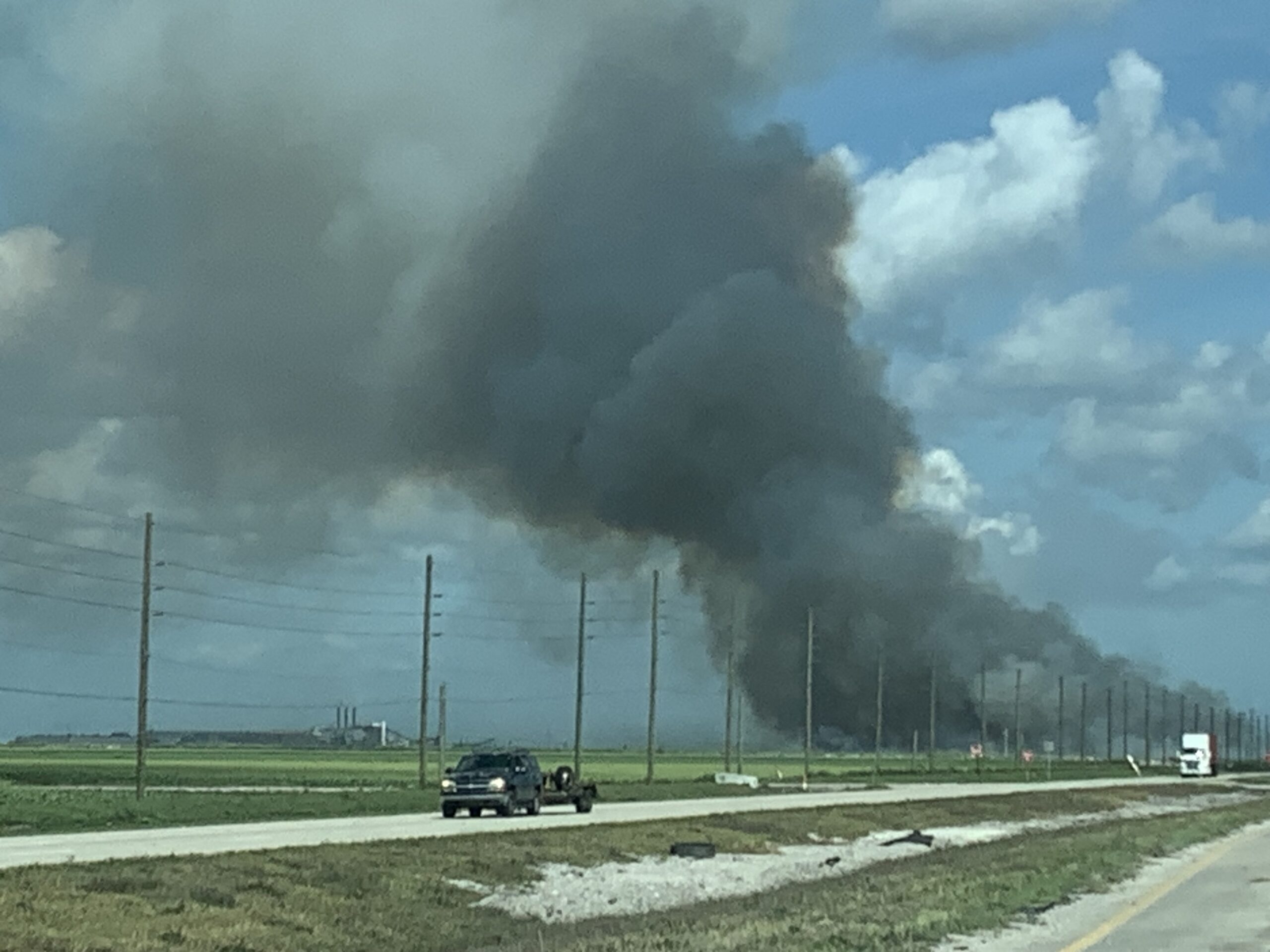
Sugar-cane burning polices racially discriminate against people in Glades, complaint says
Citing federal civil rights law, the Sierra Club and its Glades-based Stop the Burn campaign are calling on the Environmental Protection Agency, the U.S. Department of Agriculture and the Department of Justice to investigate the Florida Forest Service’s practice of authorizing sugar-cane field fires that send smoke and ash over predominately Black communities while sparing largely white communities from the fires’ effects.
The group’s complaint filed Friday details state policies in place since 1991 to deny the fire permits when winds are blowing east toward Wellington, Royal Palm Beach and Westlake while allowing them when winds are blowing west.
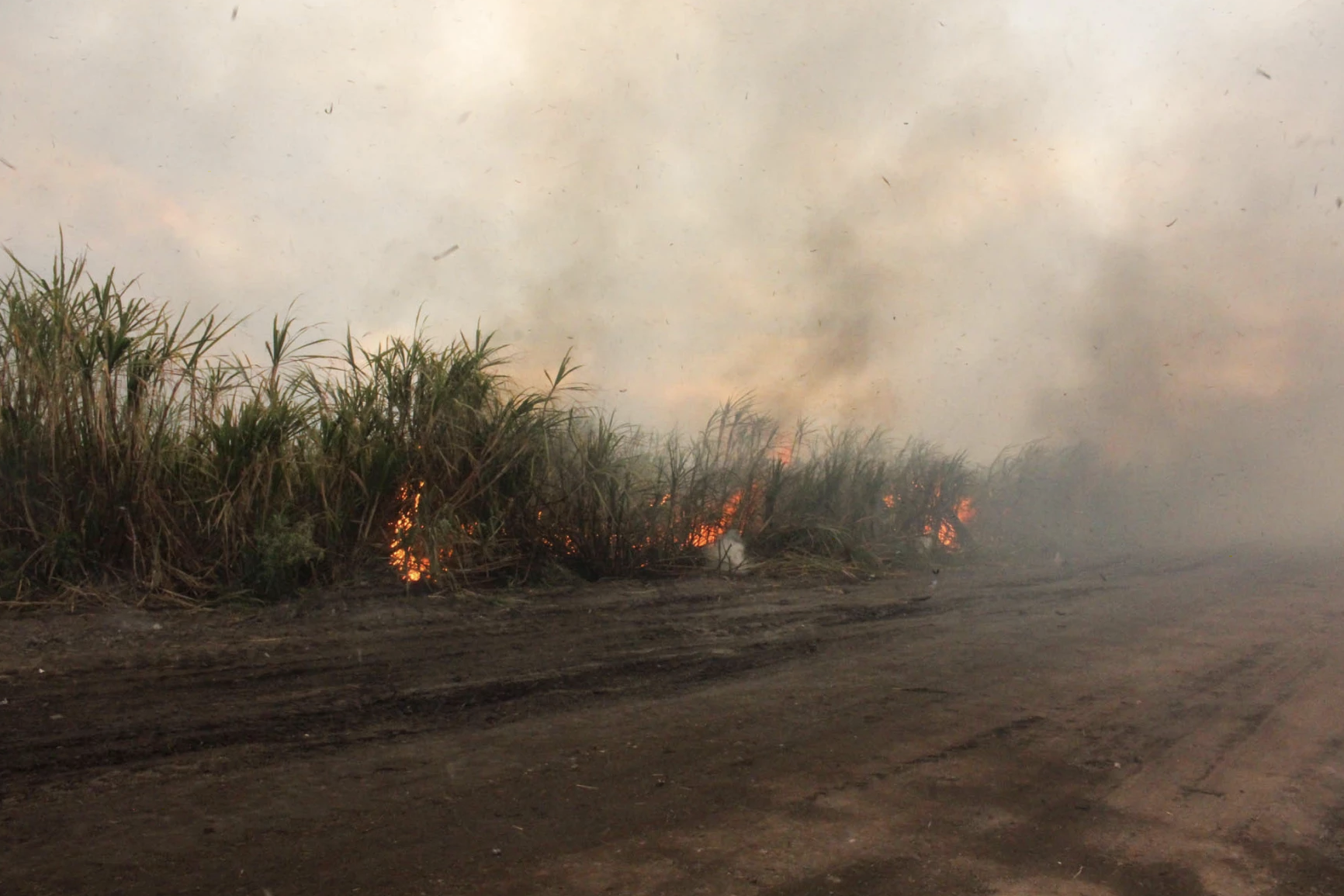
Sugarcane Burning in Palm Beach County, Miami
A new investigation into the practice of sugarcane burning in Palm Beach County. A Miami private school decides to do in-person classes. And evaluating children's mental health during the pandemic.
Every year from October until April, stretches of rural Palm Beach County are regularly blanketed in black ash coming from sugarcane fields. Students have worn bags over their heads on their walk to school so they don’t breathe in the smoke.

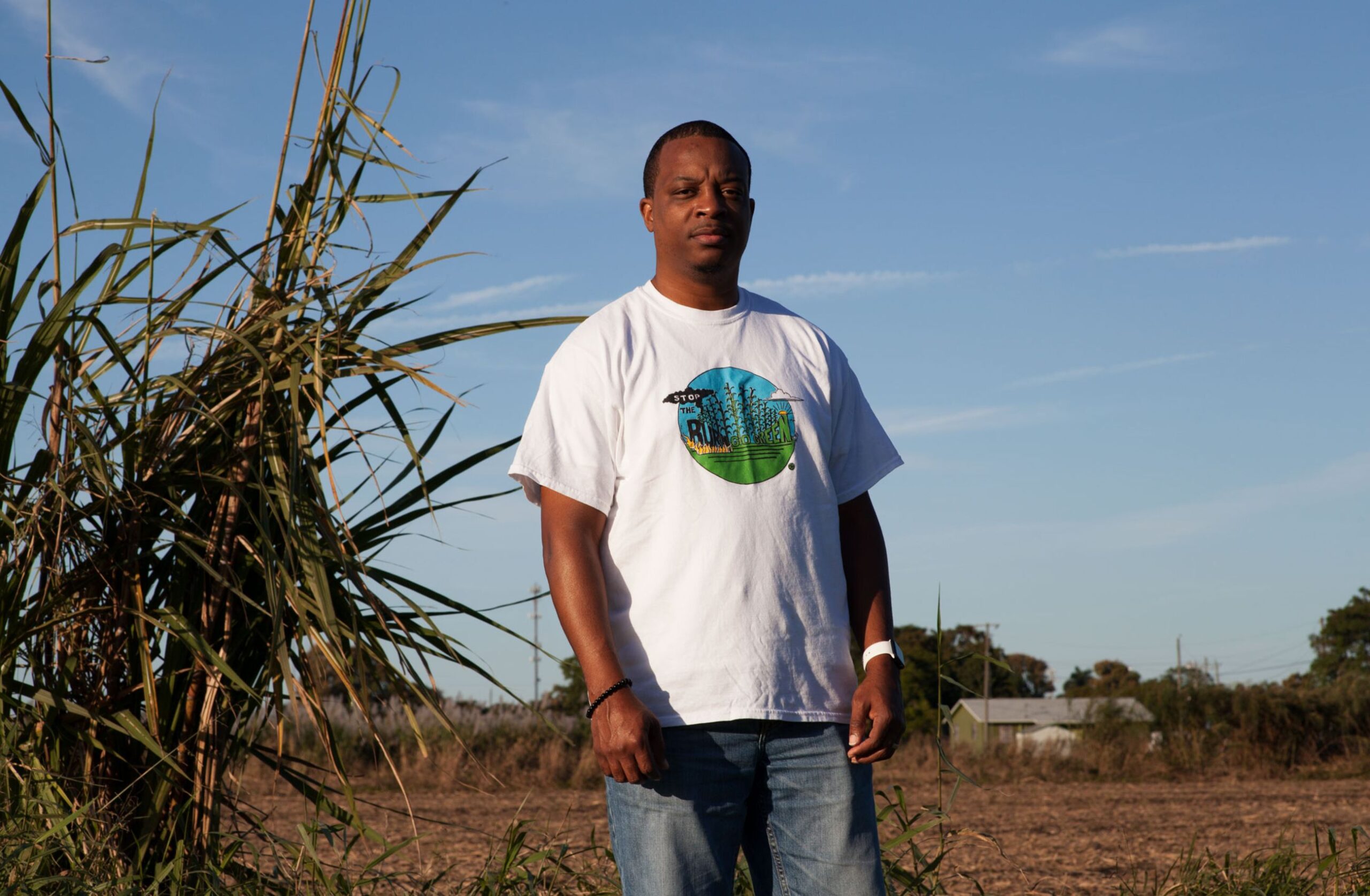
The Problem of America’s Sugar Cane Growers
Driving west on Florida Route 98 from Palm Beach, the smoke is visible before the warning signs. Near the Lion Country Safari (“Florida’s only drive-through safari”), there are, far across a vividly-green expanse, dark gray clouds climbing into the sharp-blue sky. A minute later, by the roadside, comes the announcement, courtesy of the state transportation authority: “REDUCED VISIBILITY POSSIBLE.” If the immediate danger isn’t present, it’s nonetheless clear: You’re entering sugar country.